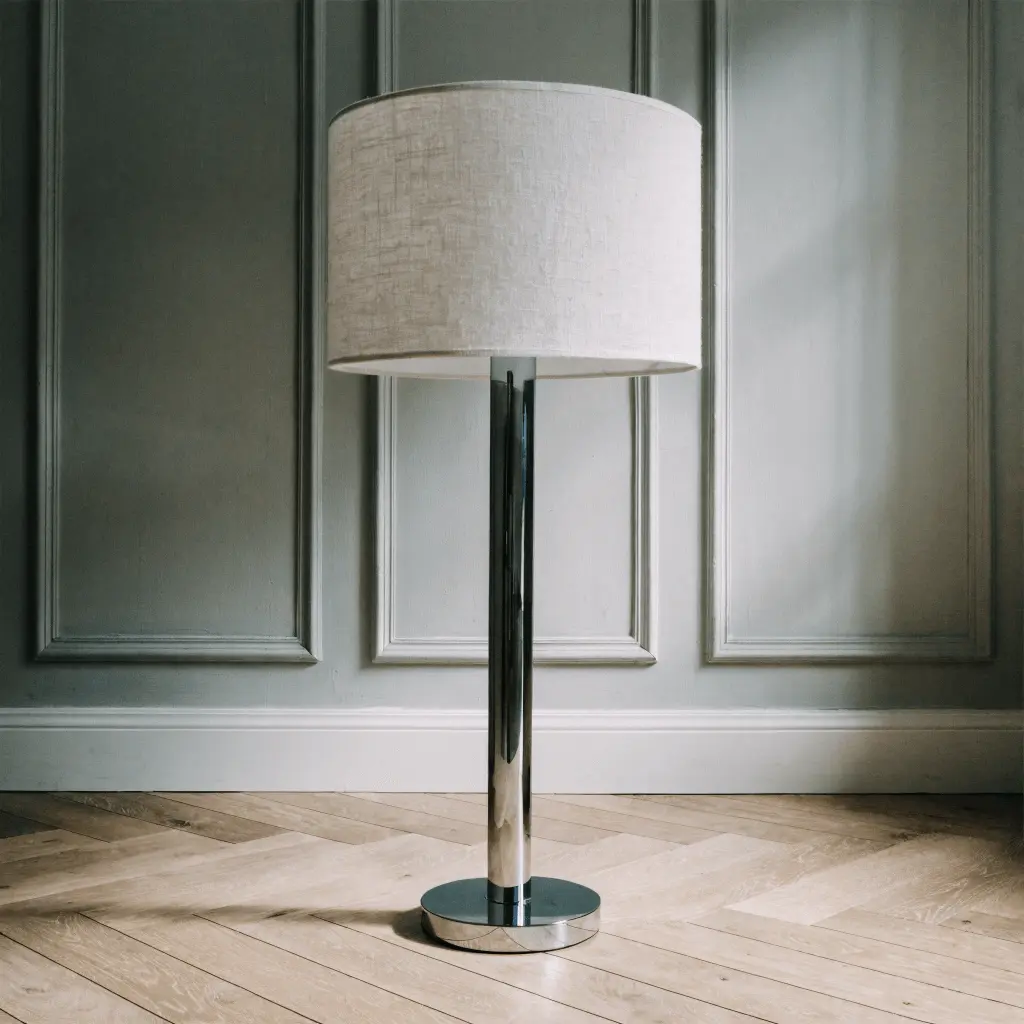
Floor lamps shape comfort, visibility, and balance in rooms, so choices deserve close attention. Lighting choices set the mood, guide tasks, and keep spaces feeling orderly day after day. Practical advice helps decisions feel clear and prevents frustration later in finished spaces.
Many purchases miss key details that shape daily use and visual clarity. The floor lamps call for a thoughtful review because lighting carries both functional and decorative weight. Early care with measurements, purpose, and placement leads to satisfaction and smooth interior flow.
1. Incorrect Room Size and Layout Assessment
Designer floor lamps demand precise room measurements before style or finish decisions enter the selection process. Room width, ceiling height, and furniture placement determine visual fit and functional success. Poor scale awareness disrupts circulation paths and weakens spatial organization across seating zones.
Floor clearance and movement flow need evaluation during lamp selection stages. Accurate assessment supports balanced placement without obstruction. Proper sizing strengthens cohesion between lighting elements and surrounding furnishings. Spatial harmony improves when lamp placement respects architectural proportions and furniture spacing.
2. Poor Light Output and Coverage Selection
Light output affects comfort, usability, and visual clarity across living spaces. Floor lamps support task use, ambient glow, or accent emphasis through intentional placement. Output misjudgment creates eye strain or uneven brightness near seating areas. Coverage direction determines how light reaches surrounding surfaces and activity zones.
Clear awareness of lumen needs improves everyday comfort. Appropriate illumination supports functional use while preserving the interior atmosphere. Consistent light distribution enhances visual comfort during extended use periods. Balanced brightness levels ensure seating areas receive sufficient light without harsh glare.
3. Design Conflict With Interior Style
Design harmony depends on coordination between lighting elements and interior themes. Floor lamp finishes interact with furniture materials, wall tones, and decorative accents. Shape and silhouette influence the contribution to visual rhythm within the room.
Disconnected design choices distract attention and weaken cohesion. Consistent styling strengthens interior identity and visual flow. Unified design decisions enhance perceived quality throughout the space. Visual continuity reinforces a polished and intentional interior presentation. Careful alignment between finishes and forms supports a cohesive atmosphere across furnishings and lighting.
4. Lack of Base Stability and Structural Strength
Base stability ensures safe placement and dependable everyday use within active interiors. Floor lamps need balanced weight distribution to maintain upright positioning. Structural strength supports durability across regular repositioning and surface contact.
Weak construction leads to instability and frequent adjustment needs. Solid materials improve reliability and extend service life. Stable design protects surrounding furnishings and interior order. Structural confidence contributes to long-term usability without frequent repositioning concerns. Adequate base diameter reduces tip risk and maintains consistent alignment on varied floor surfaces.
5. Incorrect Lamp Height and Shade Proportion
Lamp height influences comfort and visual alignment within seating and conversation areas. Shade position affects glare control and light direction toward intended zones. Improper proportions disrupt visual balance and reduce functional effectiveness.
Height alignment should respect eye level and furniture scale. Shade diameter influences light diffusion and visual weight. Correct proportions enhance comfort and spatial harmony. Proper sizing ensures visual comfort across seated and standing viewpoints. Appropriate height selection supports natural sightlines and maintains visual comfort during extended seating periods.
6. Poor Placement and Electrical Access Planning
Placement decisions affect usability, visual order, and movement flow within rooms. Electrical access defines feasible lamp positions without visible cord issues. Cord length influences flexibility during furniture arrangement changes.
Placement near activity zones supports practical daily use. Clean routing preserves visual clarity across floor areas. Thoughtful planning improves both function and appearance. Logical placement supports uninterrupted movement and uncluttered floor surfaces. Strategic positioning ensures lighting serves functional areas without obstructing primary circulation paths.
7. Limited Attention to Material Quality and Upkeep
Material quality influences appearance, longevity, and maintenance effort across extended use periods. Surface finishes respond differently to dust, marks, and regular contact. Durable materials preserve visual consistency and structural integrity. Shade fabrics affect light diffusion and surface care routines.
Quality choices maintain aesthetic value over time. Informed material selection supports lasting interior appeal. Reliable materials reduce maintenance demands while preserving consistent visual quality. High-grade components contribute to dependable performance and preserve refined appearance through prolonged everyday use.
Thoughtful planning prevents common errors and supports comfort, clarity, and visual balance within interior spaces. Careful review of these factors encourages confident purchase decisions and refined lighting outcomes. Well-considered selection strengthens long-term satisfaction when designer floor lamps define lighting character within living environments. Clear priorities regarding scale, placement, illumination, and materials support interiors that feel cohesive and purposeful. Expert guidance and curated collections help achieve balanced results that maintain consistency, usability, and aesthetic stability over time. Informed decisions contribute to interiors that remain functional and visually composed through everyday use.