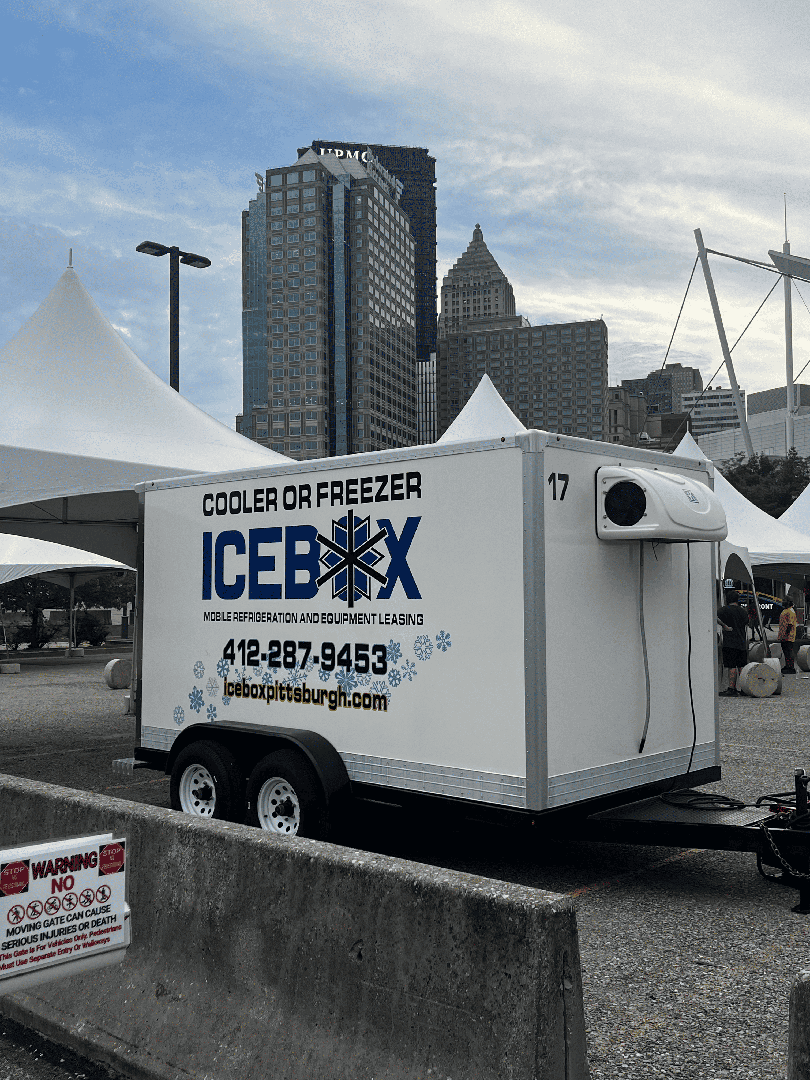
Introduction to Modern Cold Chain Logistics and Temporary Cooling
In the bustling economic landscape of Pittsburgh, PA, efficient logistics are key. For many businesses, this means having reliable cold storage solutions. Maintaining exact temperatures is not just about keeping products fresh. It’s also important for following rules, keeping the supply chain strong, and ensuring consumer safety.
Pittsburgh is a vital hub, offering many choices for companies that handle goods sensitive to temperature. This guide will take a deep look at cold storage options in the Pittsburgh area. We will cover everything from large storage warehouses to flexible solutions, such as mobile refrigeration rental.
Our goal is to give you a full picture. This way, you can choose the best cold storage for your business needs.
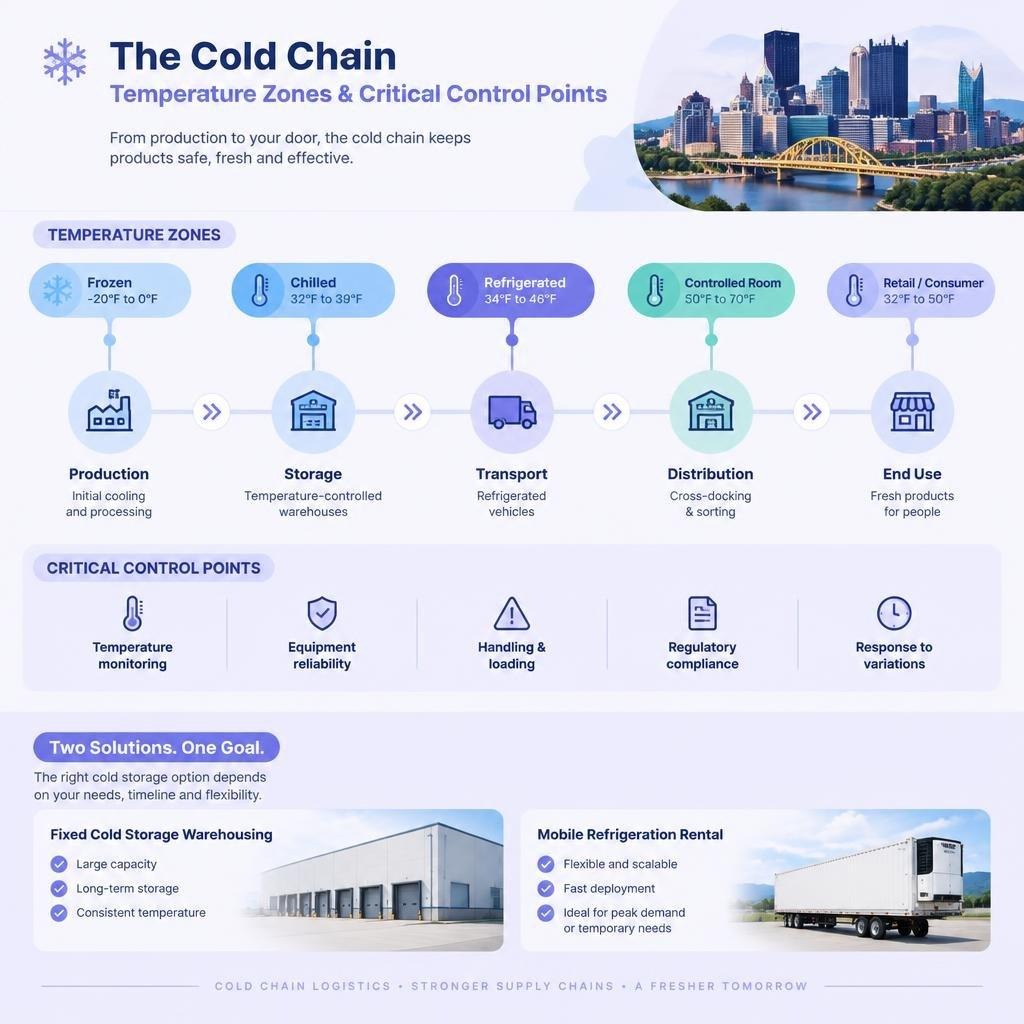
The modern cold chain is a complex network designed to maintain a specific temperature range for temperature-sensitive products, from production to consumption. This unbroken chain is critical for industries ranging from food and beverage to pharmaceuticals and chemicals. In a dynamic region like Pittsburgh, with its strategic location between major East Coast and Midwest markets, efficient cold chain logistics are paramount. Businesses here must navigate challenges such as seasonal demand fluctuations, unexpected equipment failures, and the need for flexible storage during peak periods or special projects. Understanding the various temperature zones and critical control points within this chain is fundamental to successful operations.
Evaluating Fixed Cold Storage Warehousing vs. Mobile Refrigeration Rental
When considering cold storage options in Pittsburgh, businesses often weigh the benefits of traditional, fixed cold storage warehouses against the agility offered by mobile refrigeration units. Each solution serves distinct operational needs and offers unique advantages for supply chain flexibility.
Fixed cold storage facilities, like those operated by Allegheny Cold Storage or 3 Rivers Express, provide extensive, long-term solutions with substantial capacity. These facilities are designed for bulk storage, offering various temperature zones and a suite of integrated logistics services. They are ideal for businesses with consistent, high-volume storage requirements.
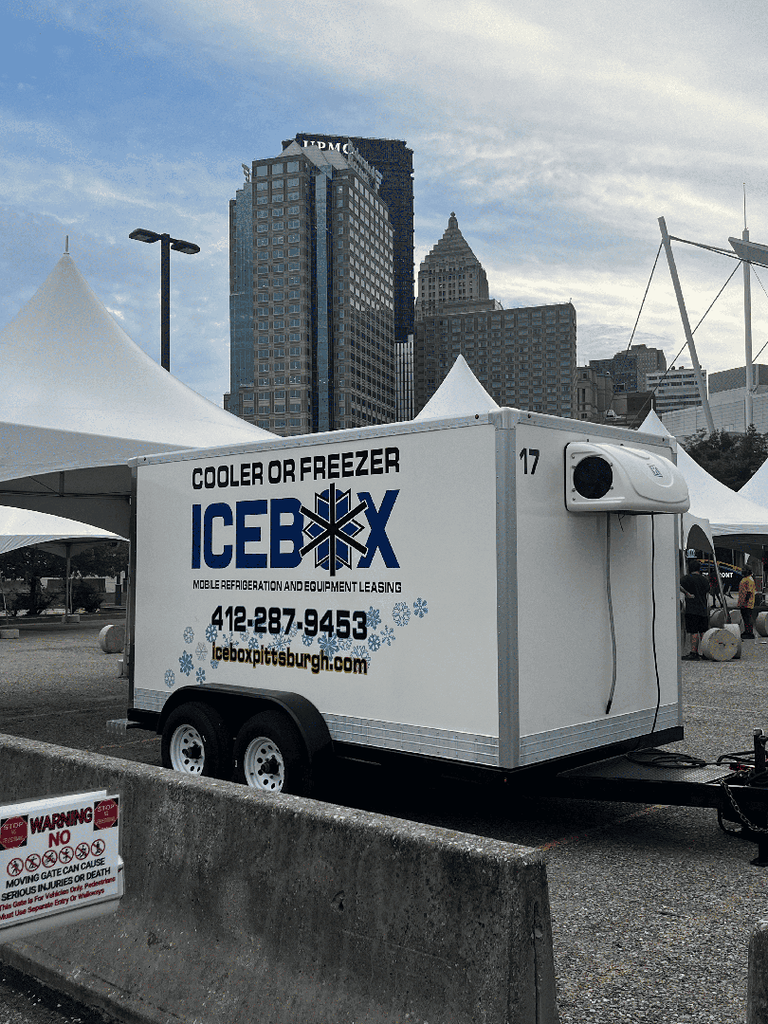
Conversely, mobile refrigeration rental offers unparalleled flexibility for temporary, seasonal, or emergency needs. These units can be deployed directly to a business’s site, providing immediate temperature-controlled space without the overhead of permanent infrastructure. This adaptability is particularly valuable for managing unexpected surges in demand, equipment breakdowns, or off-site events.
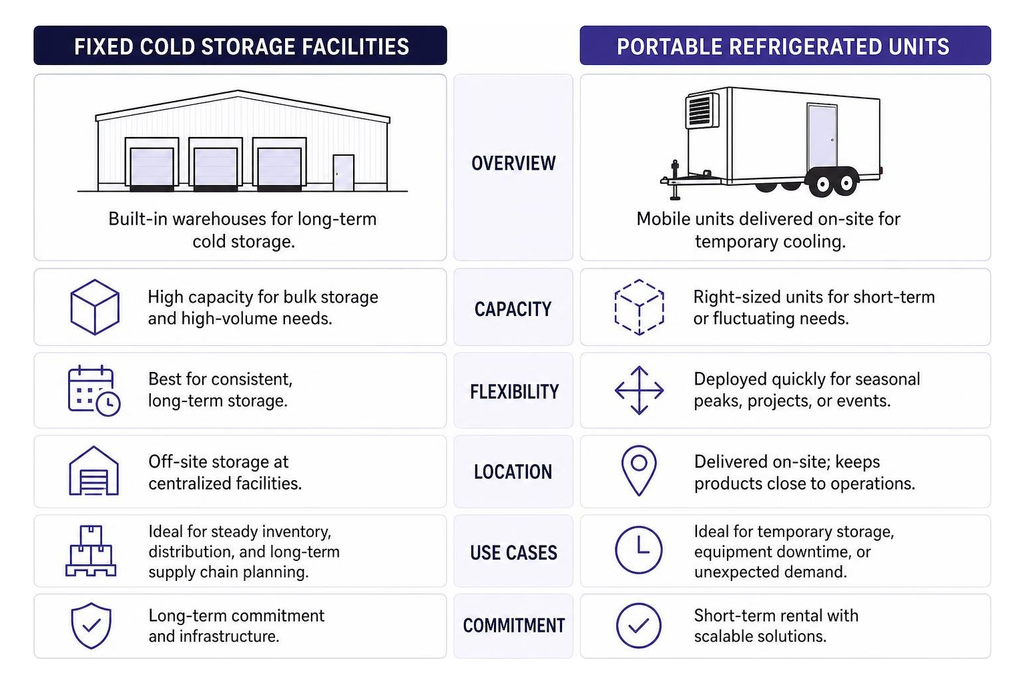
To help illustrate the differences, consider this comparison:
Core Benefits of Mobile Refrigeration Rental for Flexible Supply Chains
The agility that mobile refrigeration rental brings to a supply chain cannot be overstated. For businesses in Pittsburgh and beyond, having access to on-demand, temperature-controlled space can be a game-changer.
One of the primary advantages is on-site flexibility. Imagine a restaurant needing extra freezer space during a busy holiday season, or a grocery store requiring additional cooler capacity for a special promotion. A portable refrigerated unit can be delivered directly to their premises, providing seamless integration into existing operations without the need for off-site transportation. This reduces handling, minimizes transit risks, and keeps products closer to the point of use or sale.
Emergency breakdown coverage is another critical benefit. When a walk-in cooler or freezer fails unexpectedly, the financial and operational impact can be severe. A mobile refrigeration unit can quickly step in, preventing product loss and allowing businesses to continue operations while repairs are made. This rapid response capability safeguards inventory and maintains customer trust.
For logistics operations, cross-docking support is greatly enhanced by mobile units. They can be positioned at a loading dock to facilitate direct transfers of temperature-sensitive goods, reducing the need for intermediate storage and speeding up distribution. Similarly, event catering companies often rely on these units to maintain food safety and quality at remote locations, from outdoor festivals to large corporate gatherings.
Overflow storage is a common need, especially for businesses dealing with seasonal peaks or fluctuating inventory levels. Instead of leasing additional warehouse space or risking product spoilage, a mobile unit offers a cost-effective and scalable solution. Finally, their modular deployment means businesses can scale their cold storage capacity up or down as needed, paying only for the space and duration required. This inherent flexibility makes mobile refrigeration rental an indispensable tool for modern supply chain management. For more detailed information on how these solutions can benefit your operations, explore the specific advantages of mobile refrigeration rental.
Key Capabilities of Regional Cold Storage Warehousing
Pittsburgh’s regional cold storage warehouses are integral to the broader supply chain, offering robust solutions for businesses with significant and sustained temperature-controlled storage needs. Facilities like Allegheny Cold Storage and 3 Rivers Express provide a comprehensive suite of services designed to handle large volumes of perishable goods.
A primary capability is their bulk pallet capacity. Allegheny Cold Storage, for instance, boasts 3-million cubic feet of temperature-controlled storage, accommodating 600 pallet positions in the cooler and a substantial 6600 pallet positions in the zero-degree freezer. This scale allows businesses to store vast quantities of product efficiently. Beyond cold temperatures, many facilities also offer ambient zones and dry storage, providing a versatile environment for various inventory types. Allegheny Cold Storage further offers 1,175 pallet positions of dry/ambient storage space, catering to diverse product requirements.
These warehouses are equipped with advanced technology for inventory management. EDI integration (Electronic Data Interchange) allows for seamless data exchange between the warehouse and the client’s systems, streamlining order processing and reducing manual errors. FIFO (First-In, First-Out) rotation is a standard practice, ensuring that older inventory is moved out before newer stock, which is crucial for managing product shelf life and reducing waste.
Cross-docking and freight transloading are also essential services. These capabilities enable efficient transfer of goods from inbound to outbound transportation, minimizing storage time and accelerating distribution. This is particularly beneficial for businesses looking to optimize their supply chain speed and reduce transportation costs. Furthermore, many facilities offer value-added services such as picking/packing, case picking, palletization, and product traceability with lot tracking, providing a complete logistics solution beyond mere storage. These comprehensive capabilities make regional cold storage warehouses a cornerstone for businesses requiring reliable, large-scale, and integrated cold chain solutions in the Pittsburgh area.
Selecting and Deploying Commercial Temperature-Controlled Equipment
Choosing and implementing the right temperature-controlled equipment, whether a fixed warehouse solution or a mobile unit, requires careful consideration of several factors. Businesses must assess their specific needs regarding equipment sizing, power requirements, and adherence to various compliance standards to ensure optimal performance and regulatory conformity.
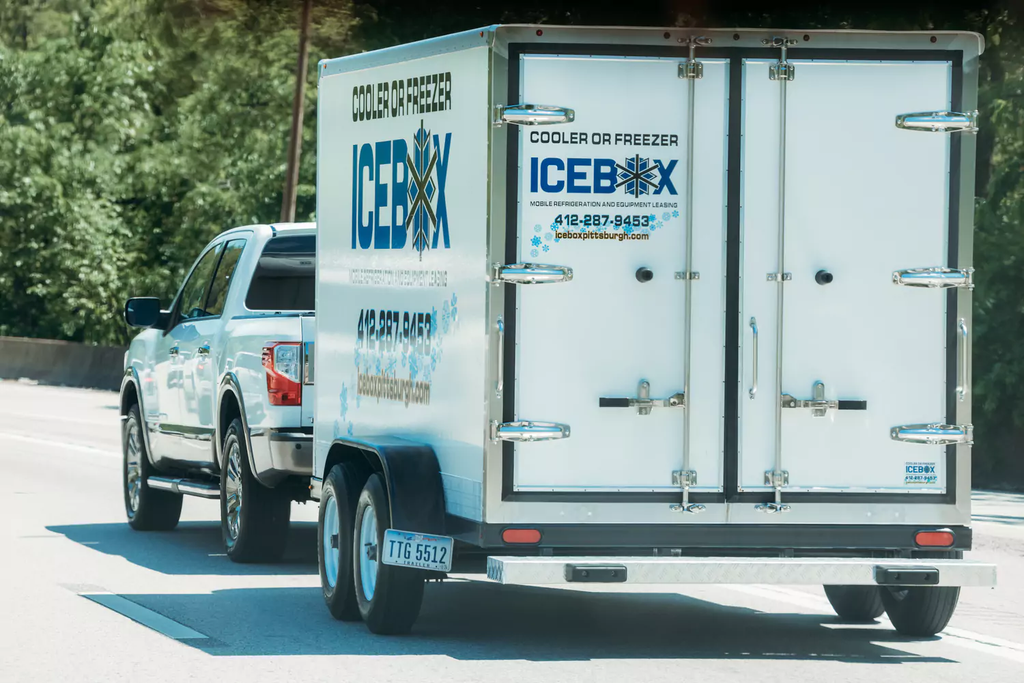
Equipment sizing is paramount. Overestimating capacity can lead to unnecessary costs, while underestimating can result in product loss or operational bottlenecks. For mobile units, this involves calculating the required cubic footage and payload weight based on product volume and density. For fixed facilities, it means understanding available pallet positions across different temperature zones.
Power requirements are another critical consideration. Mobile refrigeration units typically operate on electric standby power when stationary, but may also utilize diesel hybrid systems for transport. Ensuring adequate electrical hookups (e.g., 208V/230V or 460V three-phase) at deployment sites is essential. Fixed warehouses, with their larger scale, have robust power infrastructure, but clients still need to understand the implications for their specific storage needs.
Finally, strict compliance standards govern temperature-controlled storage, especially for food, pharmaceuticals, and other sensitive goods. Adherence to guidelines from bodies like the FDA, USDA, and EPA is non-negotiable. This includes maintaining precise temperature ranges, implementing robust monitoring systems, and ensuring proper sanitation. Selecting equipment that inherently supports these standards and partnering with providers who demonstrate a strong commitment to compliance is crucial for safeguarding product integrity and avoiding regulatory penalties.
Technical Specifications in Mobile Refrigeration Rental Units
When considering mobile refrigeration rental units, understanding their technical specifications is key to ensuring they meet your specific operational demands. These units are engineered for precision and reliability, offering a range of features designed for various applications.
The temperature range is a fundamental specification. Most modern units can maintain temperatures from deep freeze (e.g., -20°F or -29°C) to refrigeration (e.g., 35°F or 2°C), and sometimes even warmer for specific cooler applications. Some advanced units offer dual-temperature zones, allowing for different temperature requirements within the same trailer, providing greater versatility.
R-value insulation is a critical measure of thermal resistance. Higher R-values indicate better insulation, which translates to superior temperature stability and energy efficiency, especially in varying ambient conditions. Quality units typically feature high-density polyurethane foam insulation, ensuring minimal heat transfer.
Power options are also important. Electric standby capabilities allow units to run silently and efficiently when connected to shore power, ideal for stationary use at an event or a facility. For transport or locations without direct power access, diesel hybrid systems provide autonomous operation.
Cubic footage capacity and payload weight determine how much product a unit can hold. It’s essential to match these specifications to your volume and weight requirements to avoid overloading or underutilizing the equipment. Smaller box trailers, for instance, are designed for flexibility and maneuverability, making them suitable for urban deliveries or tight spaces, while still offering substantial capacity. Understanding these technical details ensures you select a mobile refrigeration unit that is not only reliable but also perfectly suited to your logistical needs.
Temperature Monitoring and Regulatory Compliance Standards
Maintaining precise temperature control is only half the battle; effectively monitoring and documenting it is equally crucial for regulatory compliance and product integrity. In Pittsburgh’s cold storage landscape, providers adhere to stringent standards set by various agencies.
The FDA (Food and Drug Administration) sets guidelines for the safe handling and storage of food, pharmaceuticals, and other regulated products. This includes requirements for temperature logs, equipment calibration, and sanitation. Similarly, the USDA (United States Department of Agriculture) conducts inspections and sets standards for meat, poultry, and egg products, often requiring specialized USDA rooms within cold storage facilities. The EPA (Environmental Protection Agency) also plays a role, particularly concerning refrigerants and environmental safety within facilities.
To meet these demands, modern cold storage operations employ sophisticated monitoring systems. Real-time telematics provide continuous data on temperature, humidity, and door openings, accessible via secure online portals. This allows for constant oversight and immediate alerts if conditions deviate from set parameters. Automated alerts notify staff of any excursions, enabling prompt corrective action.
HACCP (Hazard Analysis and Critical Control Points) compliance is a systematic approach to food safety that identifies potential hazards and establishes control measures. Many cold storage providers integrate HACCP principles into their operations, ensuring proactive risk management. Furthermore, lot traceability is essential for quickly identifying and isolating specific batches of products in the event of a quality issue or recall. Providers often conduct mock recalls to test the efficiency of their inventory and traceability systems, ensuring they can respond effectively in a real-world scenario. These rigorous monitoring and compliance measures are fundamental to safeguarding public health and maintaining the integrity of temperature-sensitive supply chains in Pittsburgh.
Best Practices for On-Site Deployment and Fleet Integration
Successful deployment and integration of temperature-controlled equipment, particularly mobile units, hinge on adherence to best practices that ensure safety, efficiency, and optimal performance. Whether you’re setting up a temporary cooler or integrating a new refrigerated trailer into your logistics fleet, careful planning is essential.
One critical aspect is dock door alignment. For units placed at a loading dock, proper alignment minimizes gaps, preventing temperature loss and ensuring safe transfer of goods. This also facilitates efficient cross-docking operations. Ensuring a level parking surface is equally important for stability and proper operation of the refrigeration unit, preventing stress on components and ensuring even cooling.
Airflow optimization within and around the unit is vital. Products should be loaded to allow for adequate air circulation, and the unit’s condenser coils should remain clear of obstructions to ensure efficient heat exchange. Regular preventative maintenance is non-negotiable. This includes routine checks of refrigerant levels, coil cleanliness, door seals, and electrical connections. A well-maintained unit is a reliable unit.
Before any deployment or transport, a thorough pre-trip inspection should be conducted. This checklist ensures all systems are functioning correctly, tires are properly inflated, and safety features are operational.
Here is a list of operational pre-deployment safety checks:
- Verify power source compatibility: Ensure the power supply matches the unit’s requirements (voltage, amperage).
- Inspect electrical connections: Check for frayed wires, loose plugs, or damaged outlets.
- Confirm fuel levels (if applicable): For diesel hybrid units, ensure sufficient fuel for autonomous operation.
- Check door seals and latches: Ensure a tight seal to prevent temperature leaks and secure closure during transport.
- Test refrigeration unit functionality: Power on the unit and verify it reaches and maintains the set temperature.
- Inspect interior for cleanliness: Ensure the unit is sanitized and free of debris from previous use.
- Review safety signage: Confirm all warning labels and operational instructions are visible and legible.
- Assess site accessibility: Ensure clear, safe access for delivery, placement, and operation of the unit.
- Provide clear operating instructions: Ensure all personnel handling the unit understand its operation and safety protocols.
By following these best practices, businesses can maximize the efficiency and reliability of their temperature-controlled equipment, contributing to a robust and compliant cold chain in the Pittsburgh area.