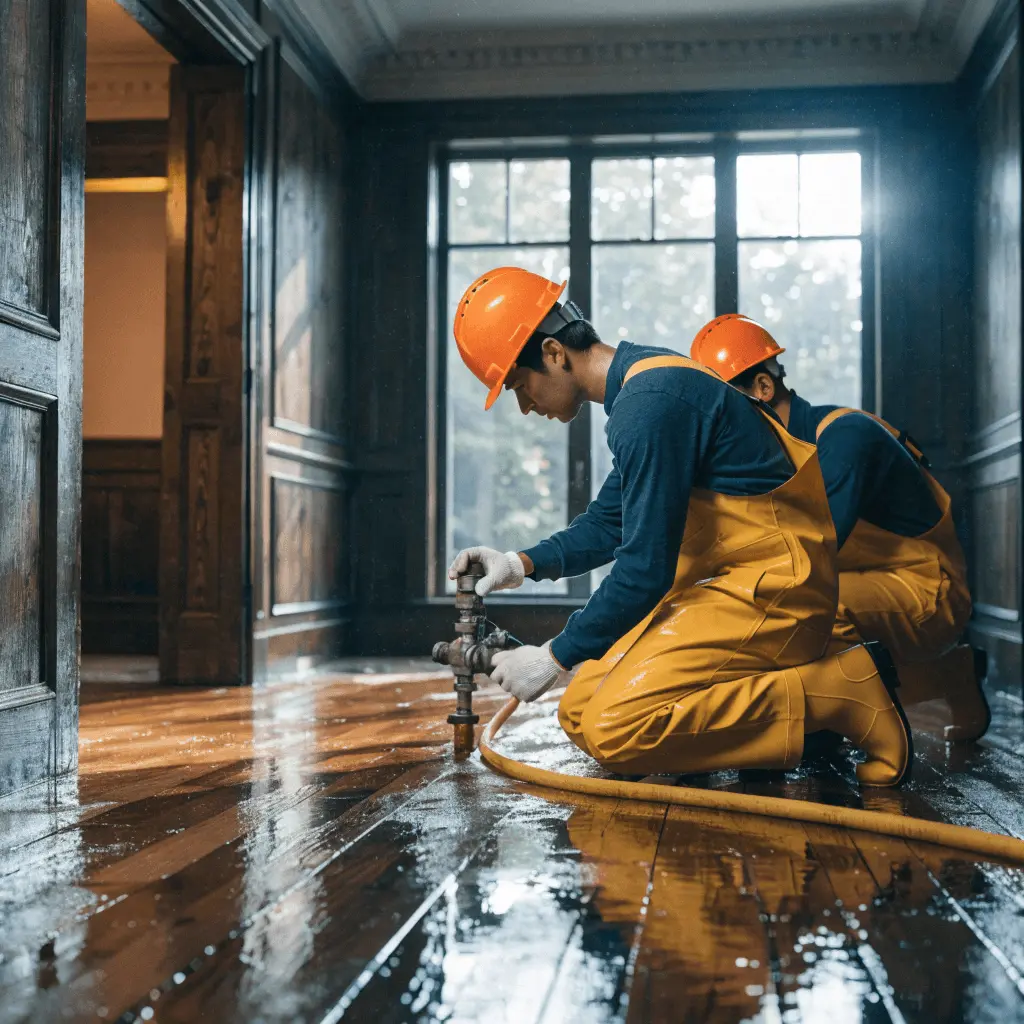
When it comes to home repairs and maintenance, plumbing is often a task that homeowners consider tackling on their own. The appeal of saving money by taking a DIY approach can be tempting. However, does doing it yourself truly save more money compared to hiring a licensed Plumber? This article will explore the cost factors associated with DIY plumbing, the skills and risks involved, and the value a professional brings to the table. By the end, you will have a clearer understanding of which choice offers more savings and quality for your home and family.
DIY Plumbing Repairs and Cost Considerations
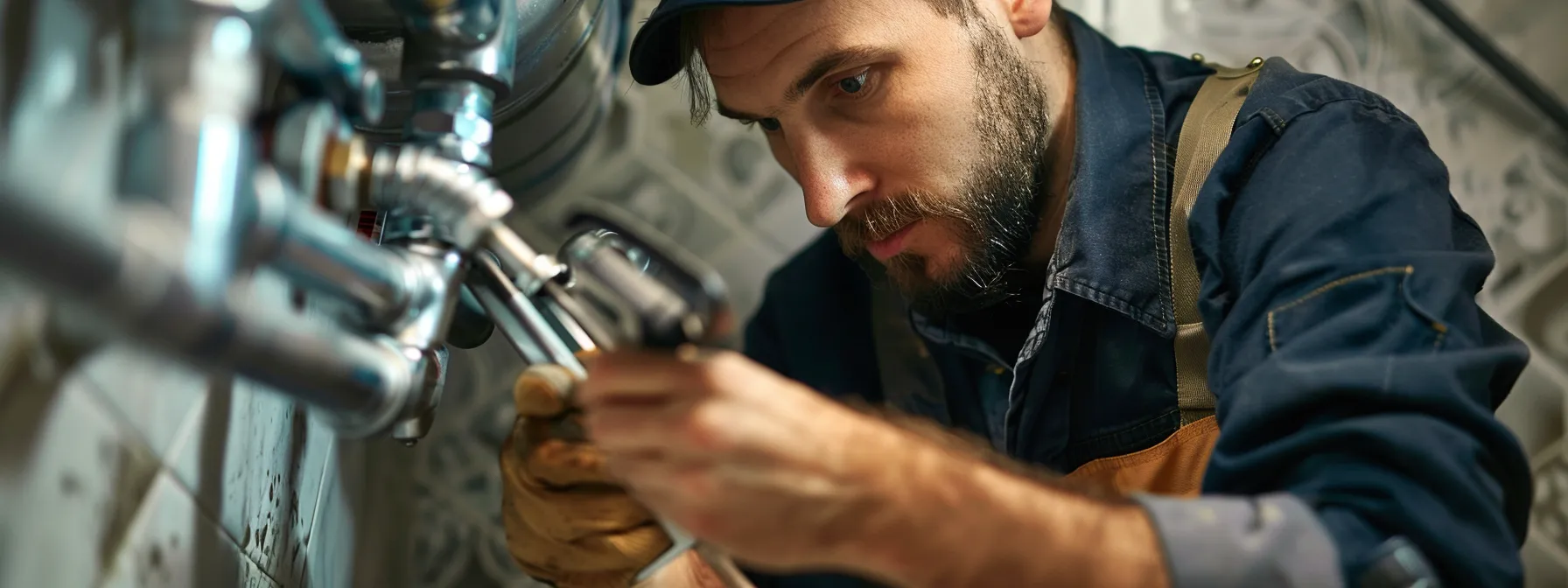
DIY plumbing repairs can initially seem cost-effective, as you eliminate labor charges. Tools like pipe wrenches and Plumber’s tape are usually accessible and affordable, allowing homeowners to perform basic repairs. However, without a Home Management System to keep track of maintenance schedules and repair history, DIY projects can become more costly over time due to repeated fixes or faulty installations. Furthermore, if you lack a Lead-Safe Certification, you might inadvertently expose your family to hazardous materials, especially in older homes with lead pipes.
A Home Safety Audit can reveal underlying issues that may not be apparent to an untrained eye. For instance, the need for specialized equipment like an Indoor Air Quality Monitor might arise, as faulty plumbing can lead to mold growth affecting the air quality. Therefore, while initial DIY costs might be low, unforeseen complications can lead to higher expenses down the line, impacting your family’s health and safety.
Evaluating the Skills and Risks Involved
DIY plumbing requires a certain level of skill and understanding. Homeowners must be familiar with Universal Design Principles to ensure that any changes made accommodate everyone in the household, including children and the elderly. Furthermore, without proper training, the risks of flooding, water damage, and incorrect installations increase significantly.
Consider the role of a Child Passenger Safety Technician (CPST) in ensuring safety; similarly, a Plumber ensures that installations meet safety standards and regulations. This expertise helps prevent common issues such as leaks and water wastage. Recent analysis from EPA indicates that water-efficient fixtures can reduce water usage by 20%, saving on utility bills. Without proper installation and maintenance, these savings might not be realized.
Understanding the Value of a Licensed Plumber
Hiring a licensed Plumber provides assurance of quality workmanship and adherence to industry standards. These professionals often possess certifications such as Green Seal Certification, ensuring environmentally friendly practices. Their expertise can be compared to a Family Life Educator, who guides families through complex situations with knowledge and skill.
A licensed Plumber can offer a comprehensive Home Safety Audit, identifying issues that might go unnoticed by a DIY enthusiast. For example, they can assess potential ecological impacts using an Ecological Footprint Assessment, helping homeowners make sustainable choices. The investment in professional services often translates into long-term savings, preventing costly repairs and enhancing the value of your home.
Comparing Long-term Savings and Quality of Work
While DIY projects might seem cheaper upfront, the long-term savings and quality provided by a licensed Plumber can be more beneficial. Professionals ensure that installations are efficient and durable, reducing the need for frequent repairs. A study by NSF found that professionally installed fixtures last longer and contribute to lower utility bills, showcasing the financial advantages of hiring an expert.
Additionally, professional Plumbers use Home Staging Software to plan and visualize repairs, ensuring that work is completed efficiently and with minimal disruption. This level of planning and execution is often beyond the scope of DIY efforts, where mistakes can lead to increased costs and stress.
Conclusion

In weighing the options between DIY plumbing and hiring a licensed Plumber, homeowners must consider both the immediate costs and the long-term benefits. While DIY methods might seem cost-effective initially, the potential for errors and recurring issues can lead to higher expenses over time. Engaging a licensed Plumber not only ensures high-quality work but also offers peace of mind through certified expertise and sustainable practices. For lasting savings and quality assurance, a professional service is the prudent choice for your home and family.