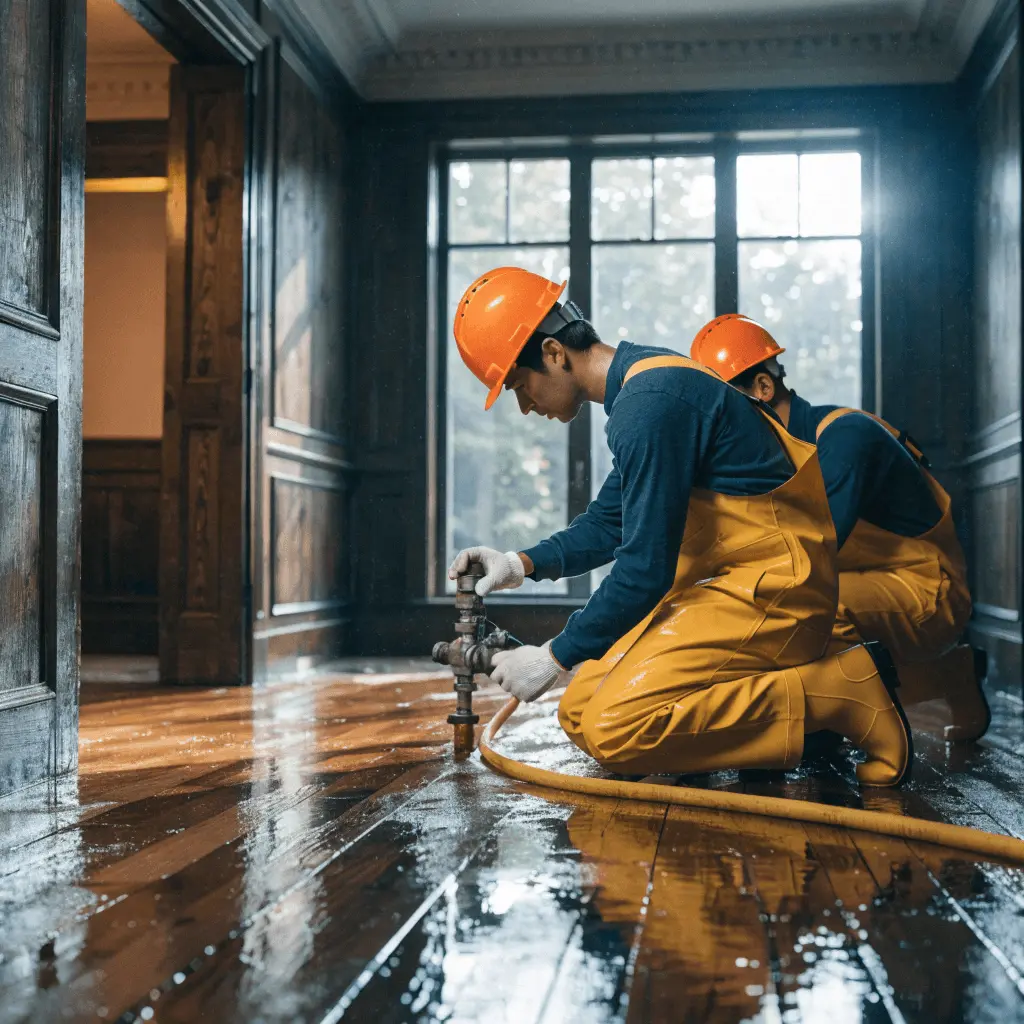
Every homeowner dreads the moment when a plumbing emergency strikes. Whether it’s a burst pipe or a severe clog, these situations can quickly escalate, causing significant damage and costly repairs. Understanding how to recognize and respond promptly to these emergencies is crucial. This guide will walk homeowners through identifying plumbing emergencies, immediate actions to take, common issues and their quick fixes, and knowing when to call in the experts from rotorooter.com.
Plumbing Emergencies Homeowners Should Recognize
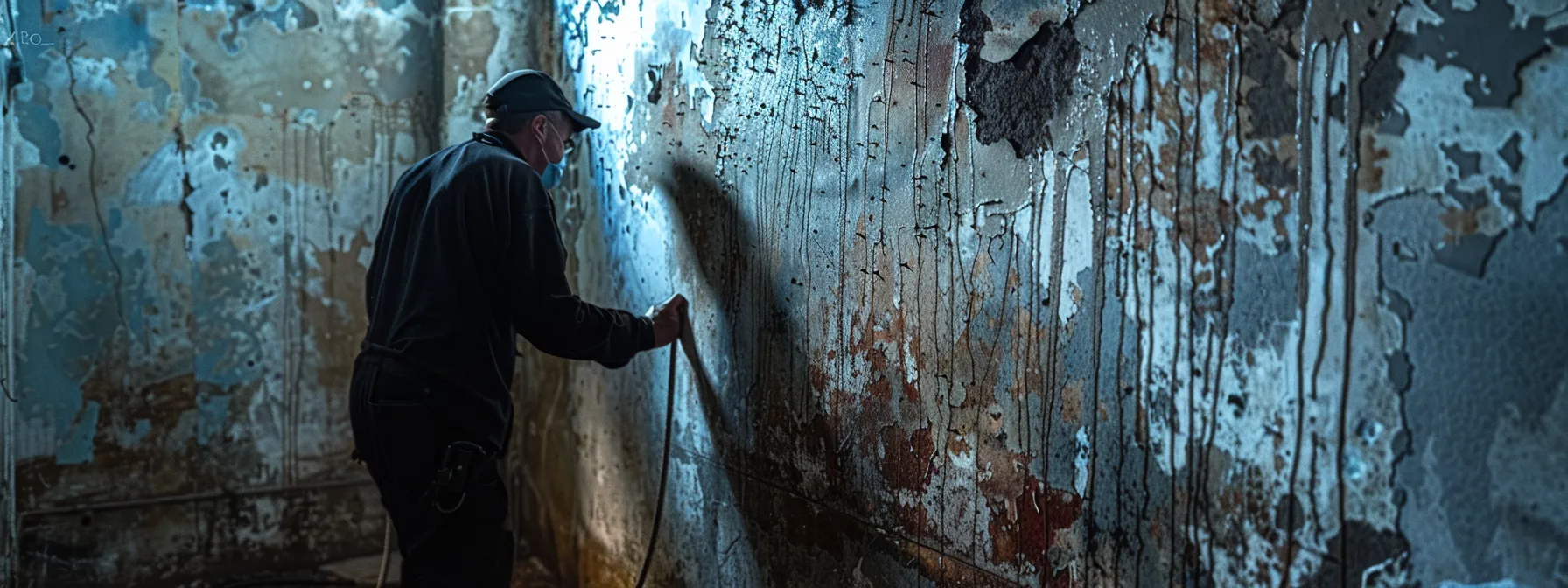
Plumbing emergencies can range from minor inconveniences to severe crises. It’s essential to identify them quickly to mitigate damage. A sudden drop in water pressure or no water at all could indicate a broken water line or a significant leak. The appearance of water stains on ceilings or walls often signals a hidden leak within your home’s plumbing system. Additionally, sewage backups are unmistakable emergencies due to their health risks and potential property damage.
Homeowners should also be vigilant about unusual odors. A persistent smell of mold or sewage in your home could indicate plumbing issues that require immediate attention. To ensure you’re not caught off guard, consider conducting regular reviews using a Home Inspection Checklist, which can help identify potential plumbing problems before they escalate.
Immediate Actions to Take During a Plumbing Emergency
When a plumbing emergency occurs, quick and decisive action is necessary to minimize damage. First, locate and turn off the main water supply to prevent further water loss. This step is crucial in situations such as burst pipes or significant leaks. Next, if possible, attempt to contain the water using towels or buckets to prevent water from spreading and damaging floors or furniture.
For sewage backups or foul odors, ensure proper ventilation by opening windows and doors. This not only helps dissipate smells but also improves indoor air quality. Having an Indoor Air Quality Monitor can be beneficial in such scenarios, as it alerts homeowners to changes in air quality that might be associated with plumbing issues.
Common Plumbing Issues and Their Quick Fixes
While some plumbing emergencies require professional intervention, others can be resolved with quick fixes. Clogged drains, for instance, can often be cleared with a plunger or a plumbing snake. Leaky faucets, a common issue, can usually be fixed by replacing worn-out washers or seals. These minor repairs can save homeowners from more significant problems down the line.
Additionally, with the rise of Home Automation Protocols, homeowners can now monitor water usage and detect leaks early. Installing smart water sensors that alert you to unusual water activity can prevent minor issues from becoming emergencies. This proactive approach is akin to using a Child Development Milestones Tracker to identify and address concerns early on.
When to Call a Professional Plumber for Assistance
While some plumbing issues are manageable, others require the expertise of a professional plumber. If you encounter a situation that is beyond your DIY skills, such as a persistent sewer backup or extensive water damage, it’s time to call in the experts. Professional plumbers have the tools and experience to handle complex issues efficiently.
Moreover, if you’re considering major renovations or suspect structural plumbing problems, a Home Renovation Feasibility Study can offer insights into necessary upgrades or repairs. Engaging professionals like those from rotorooter.com ensures that all plumbing work complies with local regulations and is completed to the highest standards.
Conclusion

Recognizing and responding to plumbing emergencies promptly is vital for homeowners. By understanding the signs of an emergency, taking immediate action, and knowing when to call a professional, you can protect your home and family from extensive damage. For top-notch assistance, consider reaching out to experts like RotoRooter who specialize in handling all your plumbing needs with precision and care.