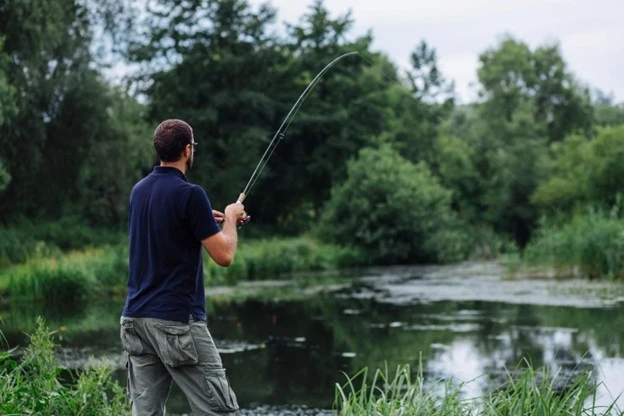
There’s something about a long day of fishing that resets the pace of everything else. It starts early, often before the sun is fully up. Gear is packed the night before, coffee is poured without much thought, and the drive out feels quieter than usual. By the time you reach the water, the world has already begun to slow down.
Fishing has always been about more than catching something. It’s about time, how you spend it, how you experience it, and how you learn to move with it instead of against it. But spending hours outdoors, especially on the water, also requires a certain level of awareness. Focus, energy, and balance don’t just happen on their own. They are supported by small choices that often go unnoticed.
The Reality of Long Days Outdoors
Anyone who has spent a full day fishing knows that it can be both relaxing and demanding at the same time.
There are long stretches of stillness, broken up by moments that require quick attention. Weather shifts, conditions change, and patience is constantly tested. Staying present is part of the experience, but it can also be challenging without the right preparation.
Physical fatigue, dehydration, or even simple distractions can take away from the day. What starts as a calm, focused experience can gradually become less enjoyable if energy levels drop or concentration fades.
That’s why experienced anglers tend to approach their time on the water with more intention than it might seem at first glance.
Fueling for Focus
Food and hydration play a bigger role than most people expect. It’s easy to underestimate how much energy a day outdoors requires, especially when the activity itself feels slow. Simple, balanced meals and regular hydration can make a noticeable difference. Instead of relying on quick snacks alone, having something more substantial helps maintain steady energy throughout the day.
This is where a broader understanding of nutrition becomes useful. Resources that help anglers explore the company page behind platforms like Berry Street can offer insight into how nutrition supports focus and endurance, even in environments that don’t feel physically intense. The goal isn’t to overcomplicate things. It’s to make sure the basics are covered so that energy stays consistent from the first cast to the last.
Staying Mentally Present
Fishing demands a certain kind of attention. It’s not constant, but it’s deliberate. You watch the water, adjust your technique, and respond to subtle changes. Losing that focus, even briefly, can mean missing the moment entirely. At the same time, part of what draws people to fishing is the mental space it creates. It’s one of the few activities where stepping away from constant input feels natural.
Balancing these two aspects, focus and relaxation, is part of the experience. Some anglers develop small routines that help maintain this balance. A few minutes of quiet observation, stepping away from gear to reset, or simply taking in the surroundings can help clear mental fatigue.
Others explore additional ways to support relaxation and mental clarity. Platforms like Tabs reflect a growing interest in tools that help manage stress and maintain focus, even outside traditional settings. While not essential, these approaches highlight an important idea: mental clarity is something that can be supported, not just expected.
The Role of Routine
One of the most overlooked aspects of fishing is routine. Experienced anglers often follow similar patterns each time they head out. Not because they have to, but because it works. Packing gear the same way, starting at a familiar spot, or moving through locations in a certain order creates a sense of rhythm.
This reduces decision fatigue. Instead of constantly figuring out what to do next, attention can stay on the water. Routine also helps maintain consistency in other areas, like eating, hydration, and rest. These small details add up, especially over longer trips.
Learning to Adjust
No two days on the water are exactly the same. Conditions shift, fish behave differently, and plans rarely go exactly as expected. The ability to adjust is part of what makes fishing both challenging and rewarding. This flexibility extends beyond technique. It includes recognizing when energy is low, when focus is slipping, or when it’s time to take a break.
According to the National Park Service, spending extended time outdoors supports both physical and mental well-being, particularly when individuals remain aware of their limits and needs. This reinforces the importance of balance, pushing when it makes sense, and stepping back when it doesn’t.
Ending the Day Well
How a fishing day ends often shapes how it’s remembered.
Packing up, heading back, and reflecting on the day are all part of the process. Whether the catch was successful or not, the experience itself carries value. When energy has been managed well, and focus maintained, the day feels complete rather than draining.
This is what keeps people coming back. Not just the results, but the way the experience feels when everything comes together.
Fishing has always been about more than what’s on the line. It’s about time, attention, and the ability to stay present in a way that everyday life rarely allows.
But that experience doesn’t happen by accident. It is supported by small, intentional choices, how you prepare, how you fuel yourself, and how you manage your focus throughout the day.
By paying attention to these details, anglers can get more out of their time on the water. Not by doing more, but by doing things in a way that supports the experience itself. Because in the end, the best days aren’t just the ones where you catch something. They’re the ones where everything else falls into place.