The Power of Pattern in Minimalist Spaces
Scandinavian design is often associated with minimalism—clean lines, neutral tones, and functional simplicity. But what many people overlook is that this design philosophy also embraces contrast. And one of the most powerful ways to introduce contrast into a minimalist space is through bold patterns.
Rather than overwhelming an interior, the right pattern can create focus, personality, and depth.
This is exactly why iconic designs have remained relevant for decades. They offer a way to introduce expression without compromising the clarity and balance that Scandinavian interiors are known for.
Why Some Patterns Never Go Out of Style
In the world of design, most patterns are temporary. They follow trends, peak quickly, and then disappear.
But some patterns break this cycle.
Timeless patterns share a few key characteristics:
- strong visual identity
- simple but memorable structure
- adaptability across different contexts
They are not dependent on trends because they are rooted in design fundamentals.
This is why certain patterns continue to appear in homes year after year, evolving without losing their essence.
The Story Behind Iconic Floral Design
Floral patterns have always played an important role in design. However, not all floral patterns are created equal.
Traditional floral designs tend to be detailed and complex. In contrast, modern Scandinavian interpretations focus on:
- simplified shapes
- bold color contrasts
- strong repetition
This creates a more graphic and contemporary feel.
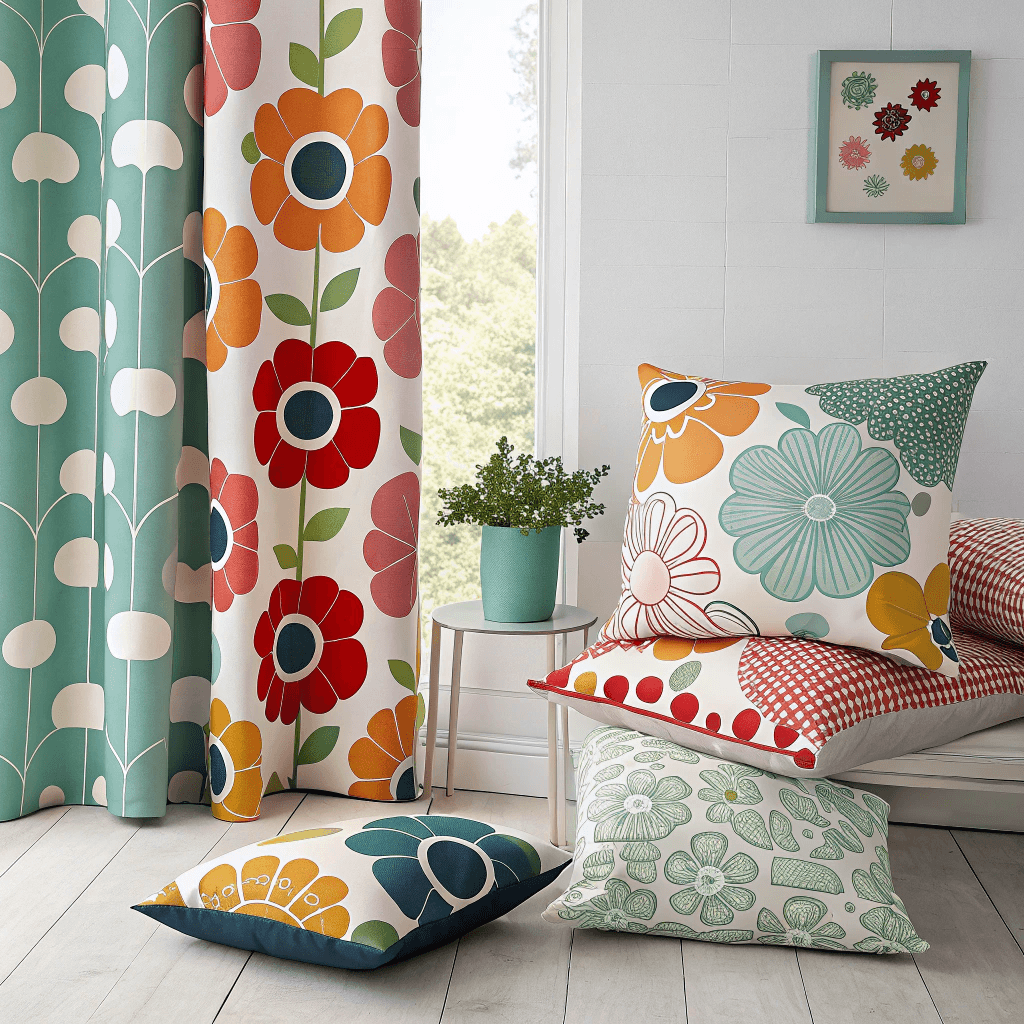
One of the most recognizable examples of this approach is marimekko unikko, a design that has become synonymous with bold, expressive Scandinavian aesthetics.
Why Bold Design Works in Everyday Spaces
Many people hesitate to use bold patterns because they fear they will overpower a room.
In reality, bold patterns often work best when used strategically.
Instead of filling an entire space, they are most effective when:
- used as a focal point
- paired with neutral surroundings
- limited to one or two key elements
This allows the pattern to stand out without creating visual chaos.
The Balance Between Simplicity and Expression
One of the key strengths of Scandinavian design is its ability to balance simplicity with expression.
Minimalist spaces provide a clean foundation. Bold patterns then add personality.
This combination creates interiors that feel:
- calm but not boring
- expressive but not overwhelming
- structured yet personal
It’s this balance that makes the style so widely appealing.
How Patterns Influence Mood
Design is not just visual—it is emotional.
Patterns can influence how a space feels.
Bold, organic shapes often create:
- energy
- warmth
- a sense of creativity
This is why they are frequently used in areas where people gather, such as kitchens and living rooms.
A well-placed pattern can make a space feel more alive without requiring major changes.
Everyday Objects as Design Elements
One of the most effective ways to introduce pattern into a home is through everyday objects.
Instead of redesigning entire spaces, you can incorporate design through:
- tableware
- textiles
- small decorative items
This approach is practical and flexible.
It allows you to experiment with style without committing to permanent changes.
The Role of Color in Pattern Design
Color plays a major role in how patterns are perceived.
High-contrast combinations create bold, energetic effects, while softer tones can make patterns feel more subtle.
The key is choosing a palette that complements the overall space.
In Scandinavian interiors, this often means:
- neutral backgrounds
- controlled use of color
- strong but balanced contrasts
This ensures that patterns enhance rather than disrupt the design.
Longevity Through Adaptability
One of the reasons iconic patterns remain relevant is their adaptability.
They can be:
- reinterpreted in different color schemes
- applied to new materials
- integrated into modern contexts
This flexibility allows them to evolve over time without losing their identity.
Instead of becoming outdated, they remain familiar while still feeling fresh.
Avoiding Common Mistakes With Patterns
While patterns can enhance a space, there are common mistakes to avoid:
Overuse
Too many patterns competing in one space create visual noise.
Lack of Balance
Without neutral elements, bold designs can feel overwhelming.
Ignoring Scale
Patterns should match the scale of the space they are used in.
Being mindful of these factors ensures a more cohesive result.
Why Iconic Design Still Matters Today
In an era of fast-changing trends, iconic design offers stability.
It provides:
- consistency
- recognizability
- long-term relevance
This makes it particularly valuable for people who want to create spaces that last.
Instead of constantly updating interiors, they can rely on design elements that remain timeless.
The Future of Pattern in Interior Design
Looking ahead, patterns are likely to play an even more important role in design.
As minimalism continues to evolve, the focus will shift toward:
- more expressive accents
- stronger visual contrasts
- personalization of spaces
Patterns will be a key tool in achieving this.
Final Thoughts
Bold patterns are not the opposite of minimalism—they are its complement.
When used thoughtfully, they bring life, personality, and depth to even the simplest spaces.
By focusing on balance, scale, and intentional placement, it’s possible to create interiors that feel both modern and timeless.
And that’s exactly why iconic designs continue to define Scandinavian aesthetics today.