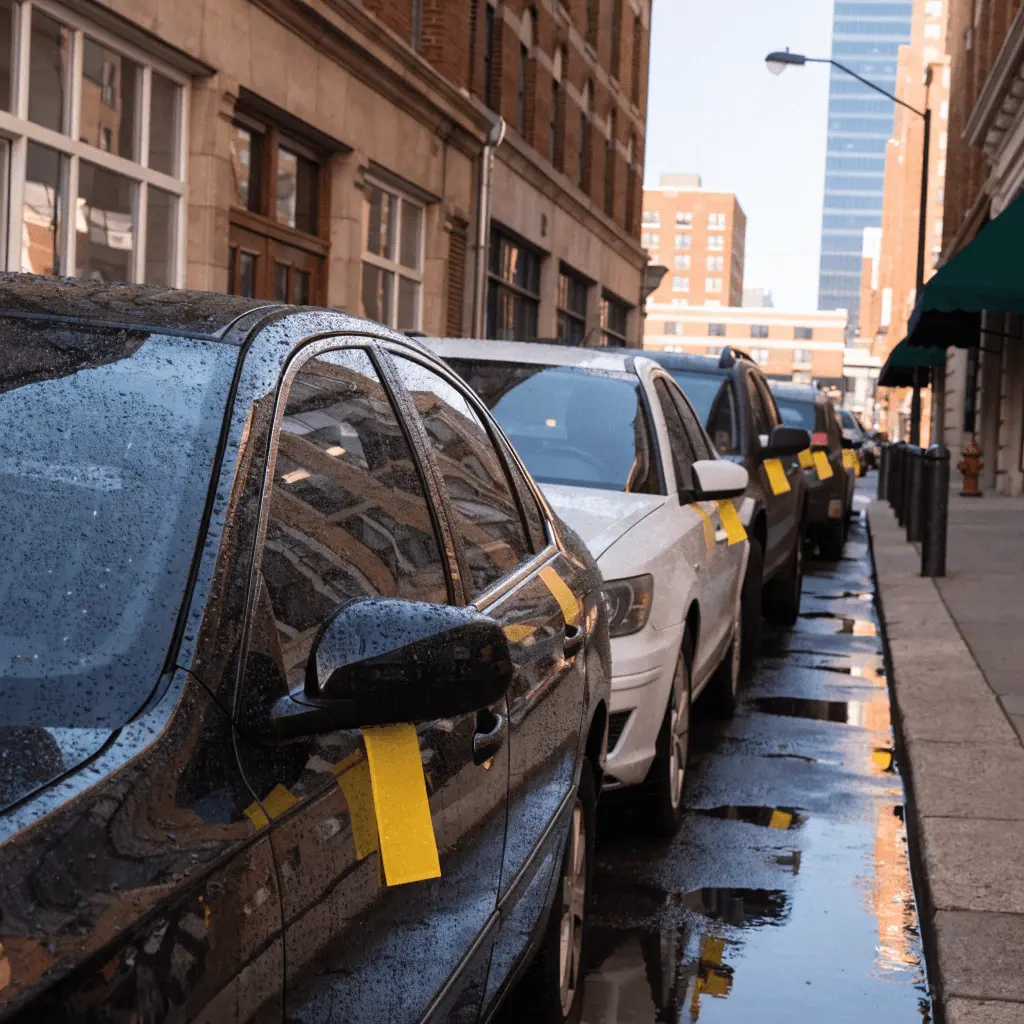
Rising interest rates and strained household budgets have pushed loan delinquencies to levels not seen in over a decade. Banks and credit unions are liquidating more vehicles than at any point in recent memory. That inventory has to go somewhere.
Bank-repossessed cars are flowing into digital auctions at a rate that’s outpacing local dealer absorption. For buyers with capital and a clear strategy, this supply surge is worth paying attention to.
In this post, we’ll analyze what’s driving the current volume of bank auction cars in 2026, which segments offer the best value, and how to position yourself to take advantage of institutional pricing before competition catches up.
The Dynamics of the Institutional Market
Rising loan defaults and lease-to-own transitions largely drive today’s inventory. Unlike the salvage market, which handles physical damage, the bank-owned sector handles financial transitions. These bank-repossessed cars for sale are often units that were recently used in suburban driveways. This means the inventory includes everything from fuel-efficient commuter cars to high-demand SUVs and even luxury electric vehicles.
The appeal of this sector lies in its transparency. In 2026, banks and credit unions are not looking to act as car dealers; they are focused on recovering their capital to fund new lending. This motivation for a quick sale often results in starting bids that are far closer to wholesale values than what you would find on a retail lot. For the proactive buyer, this represents a unique opportunity to secure a “retail-ready” vehicle without the layers of dealer markup that typically accompany a used car purchase.
Identifying Value in a Saturated Market
As more vehicles enter the wholesale cycle, the challenge for buyers is separating high-performing assets from the rest of the field. This is where bank auction cars offer a distinct advantage. Because professional lenders originally financed these vehicles, they had to meet certain criteria for value and reliability at the time of the original loan. This filters out much of the high-risk, low-quality inventory that can sometimes plague local private-party sales.
When browsing the auction listings, we recommend looking for “fresh” arrivals — those being offered for the first time. In a high-volume market, these fresh listings often offer the best balance of quality and price. By utilizing advanced history reports and AI-powered condition scans, which have become industry standards in 2026, you can verify the vehicle’s maintenance history and check for any recurring mechanical issues before placing a bid. This data-led approach removes the guesswork from the auction experience.
Logistical Readiness in a High-Volume Era
One of the most critical components of modern auction success is the “post-gavel” plan. The efficiency of the 2026 auction ecosystem depends on high turnover, which means auction yards are less lenient with storage timelines than they were in the past. Having a transport partner ready to move bank-repossessed cars and vehicles the moment the transaction is finalized is no longer just a convenience; it is a financial necessity.
Professional shipping services provide a layer of security and efficiency that is difficult to replicate independently. Dedicated carriers are familiar with the specific gate-pass protocols of national auction chains and can handle the paperwork required for a smooth release. Whether the car is a “runner” or requires a winch-loading due to a dead battery, professional transporters ensure that your asset is handled with care and delivered on a predictable schedule.
The Rise of Voluntary Surrenders and Fleet Rotations
A notable trend in 2026 is the increase in “voluntary repossessions,” particularly in the luxury and EV sectors. These are vehicles whose owners have chosen to return the keys to the bank rather than continue paying on a loan that significantly exceeds the car’s current market value. These units are often in pristine condition, having been garaged and well-maintained by their previous owners.
Searching for bank-repossessed luxury cars and vehicles for sale can yield incredible results, as the depreciation on these models is often more aggressive than that of standard sedans. For a buyer with the capital ready to move, these voluntary surrenders offer a pathway to high-end ownership at a fraction of the cost of a new or certified pre-owned unit. The same logic applies to commercial fleet rotations, where large companies are upgrading to newer electric or hybrid models and liquidating their older, but still highly functional, internal combustion units.
Comparing Traditional Auctions to Digital Platforms
The choice of where to bid is just as important as the choice of what to bid on. While physical auctions still exist, the digital-first model has reached full maturity in 2026. These platforms allow you to compare bank auction cars across multiple regions simultaneously, giving you a broader perspective on pricing trends.
Digital platforms also provide more detailed documentation. You can often see the exact date the bank took possession, the reason for the liquidation, and a comprehensive list of any immediate maintenance needs identified by the auction’s inspectors. This level of granular detail allows you to set a maximum bid that accounts for every variable, from the hammer price to the cost of a new set of tires or a local emissions test.
Finalizing the Chain of Ownership
The final step in any institutional purchase is the title transfer. Because you are dealing with a regulated financial institution, the paperwork is generally accurate, but it can take time to process. Most auctions facilitate this transition, but it is wise to plan for a three- to four-week window before the final title arrives in the mail.
During this time, having the vehicle safely stored at your location allows you to perform any necessary catch-up maintenance or detailing. By the time the title arrives, the car is ready for registration and the road. This structured approach to ownership ensures that you aren’t just buying a car, but successfully integrating a valuable asset into your life or business.
Conclusion
The bank-owned vehicle market in 2026 is a “buyer’s market” for those who understand how to navigate the institutional cycle. By moving beyond the traditional retail model and engaging directly with wholesale liquidations, you can capitalize on the economic shifts driving high-quality inventory to the auction floor. With a disciplined research strategy and a robust logistical plan, the potential for savings and long-term value is unprecedented. Success in this arena is reserved for those who treat every bid as a data-driven business decision.